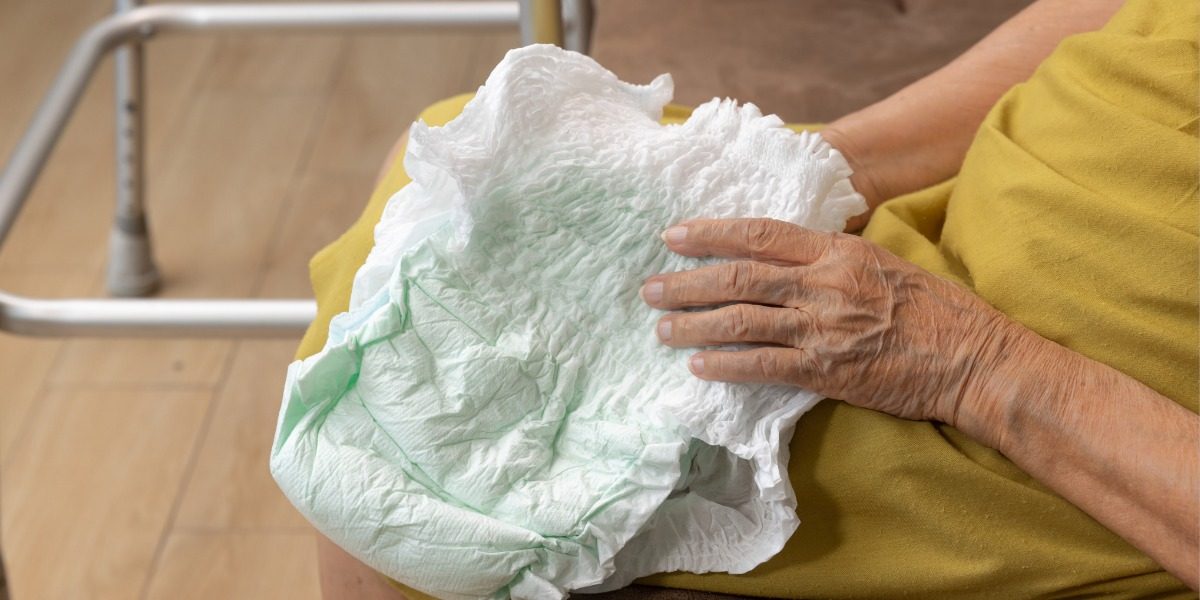
A change of clothes starts to travel along "just in case." Bedding is adjusted. Routines begin to shift quietly around access to a bathroom.
At first, it's occasional. Easy to work around. Easy not to name directly.
Over time, it becomes part of how the day is planned—when to go out, how long to stay, what feels manageable, what doesn't. Incontinence care at home is rarely only about hygiene. It affects timing, confidence, and how comfortable someone feels moving through their own space.
Handled with the right structure, it remains a manageable medical condition. Without that structure, it can begin to limit independence in ways that are harder to reverse.
When does incontinence become a care issue rather than a temporary setback?
Incontinence is the loss of reliable control over bladder or bowel function, when getting to the toilet in time becomes uncertain, and leakage begins to occur.
It becomes a care concern when it starts to affect hygiene, safety, or the ability to maintain daily routines without assistance.
The shift is usually gradual. Families often notice it first through laundry frequency, nighttime disruptions, or changes in personal confidence rather than a direct statement from the person experiencing it.
From a care perspective, it becomes more significant when:
- ✓Toileting routines are missed or delayed due to mobility or confusion
- ✓Skin irritation or recurrent discomfort begins to appear
- ✓Bathroom access becomes unsafe without assistance
- ✓Medication, hydration, or mobility issues contribute to accidents
- ✓The person begins avoiding social or daily activities due to fear of incidents
At this point, incontinence care at home is no longer only about products or hygiene management. It becomes part of a broader support structure that helps maintain stability in daily life.
How do you protect dignity during incontinence care at home?
Dignity is protected through predictability, privacy, and calm communication during care routines. The way assistance is delivered often matters as much as the assistance itself.
People rarely lose dignity because they need help. They feel it when help is rushed, unclear, or inconsistent.
Small adjustments that make a significant difference:
- ✓Explain each step before assisting, even if the routine is familiar
- ✓Maintain privacy by preparing materials in advance
- ✓Avoid unnecessary commentary during care tasks
- ✓Keep routines consistent to reduce anxiety or confusion
- ✓Focus on capability first — what the person can still do independently
Dignity is not preserved through avoidance of the topic. It is preserved through steady, respectful attention to it.
What practical steps help manage incontinence safely at home?
Effective incontinence care at home relies on structure, preparation, and early intervention rather than reaction after an incident occurs.
A simple framework many families find useful includes: routine-based toileting support, environmental adjustments, skin protection and hygiene consistency, hydration timing awareness, and clothing simplification.
These steps are not about controlling every outcome. They are about reducing stress points in the daily rhythm so the person can move through the day with fewer disruptions and more confidence.
Daily Incontinence Care at Home Checklist
- ✓Scheduled toileting times (morning, after meals, before sleep)
- ✓Clean, accessible clothing laid out in advance
- ✓Bathroom pathway kept clear and well-lit
- ✓Hygiene supplies positioned within reach
- ✓Skin checked daily for irritation or redness
- ✓Documentation of patterns (timing, triggers, frequency)
This structure helps identify patterns early and reduces reactive care, which is often more stressful for both caregiver and patient.
Why support often becomes necessary even when families are managing well
Many families manage incontinence independently for a long time. The challenge is not usually knowledge. It is consistency over time, especially when combined with mobility changes, memory decline, or fatigue in the household.
Incontinence rarely exists in isolation. It often appears alongside other shifts such as slower movement, medication complexity, or cognitive changes that affect routine awareness.
When that combination develops, having structured in-home assistance can reduce risk and stabilize daily care.
What changes when care becomes consistent rather than reactive?
When incontinence care at home is managed consistently, families often notice fewer disruptions in sleep, reduced anxiety around outings, and improved comfort in daily routines. The focus shifts from managing incidents to maintaining stability.
It does not remove the condition. It makes it easier to live with it in a way that preserves normality where possible.
The most important shift is often not physical. It is psychological. Daily life becomes less organized around avoiding problems and more centered on maintaining routine.
The presence of incontinence does not define a person's independence. It does, however, ask for a different kind of structure around them. One that is steady, practical, and attentive to detail.
With the right support in place, it becomes one part of life rather than the organizing principle of it.
Ready to Talk?
Speak with a care coordinator today.